Top Lawn Care Tips for a Healthy Yard Year-Round


The Importance of Regular Mowing
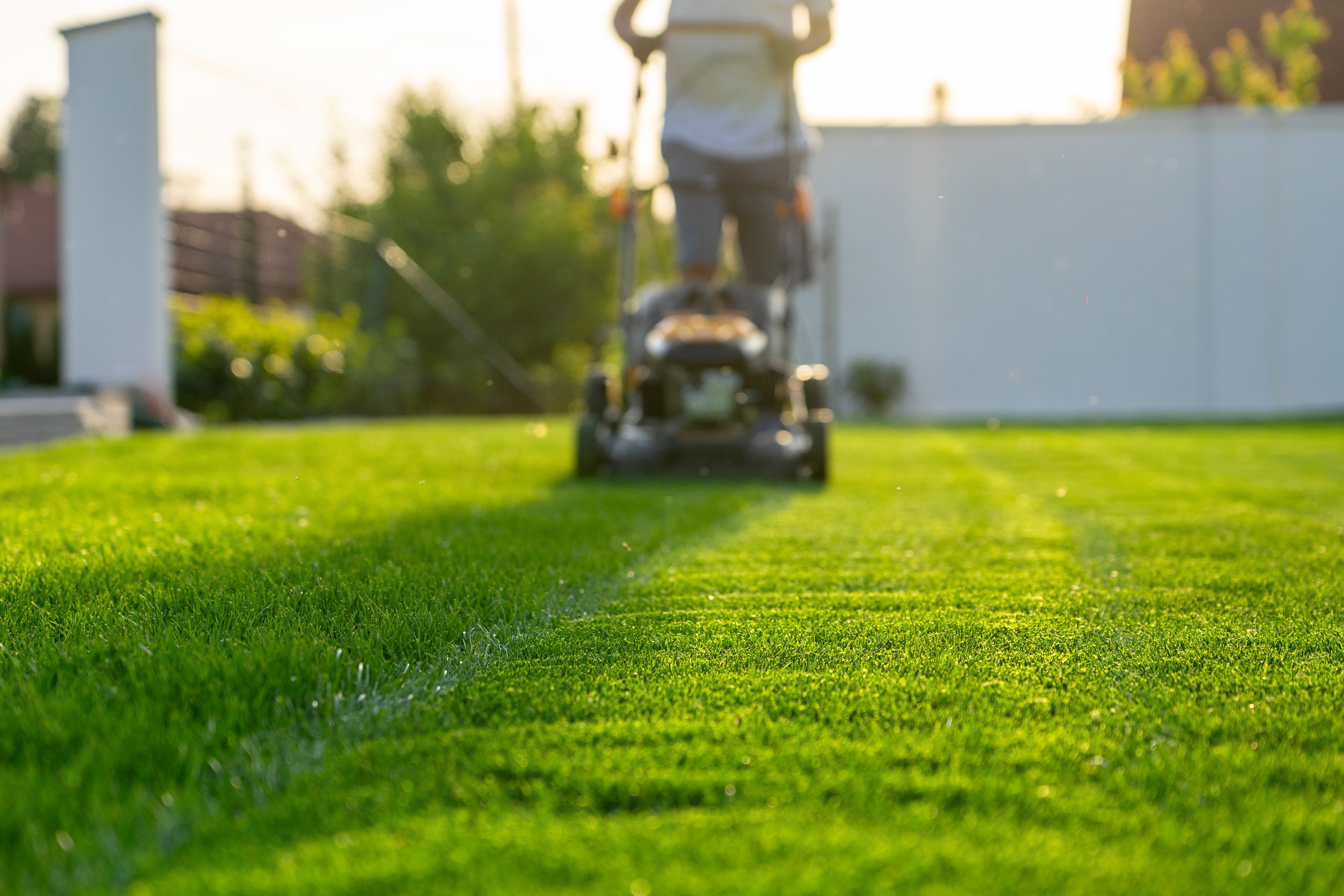
Maintaining a lush, healthy lawn requires regular care, and one of the most crucial tasks is mowing. It's essential to mow your lawn frequently, keeping the grass at the recommended height for your specific grass type. This not only helps maintain an even appearance but also promotes thicker growth by encouraging the grass to spread out.
When mowing, ensure your mower blades are sharp. Dull blades can tear the grass, leading to ragged edges that make your lawn more susceptible to disease and pests. For optimal results, aim to remove no more than one-third of the grass height in a single mowing session.
Watering Wisely
Proper watering is key to a healthy lawn. Overwatering can lead to shallow roots and fungal growth, while underwatering can cause stress and browning. The best practice is to water deeply but infrequently. This encourages roots to grow deeper into the soil, making your lawn more drought-resistant.
The ideal time to water your lawn is early in the morning when temperatures are cooler and winds are lighter, ensuring more water can soak into the soil rather than evaporating. A good rule of thumb is to provide about an inch of water per week, including rainfall.
Fertilization for Growth
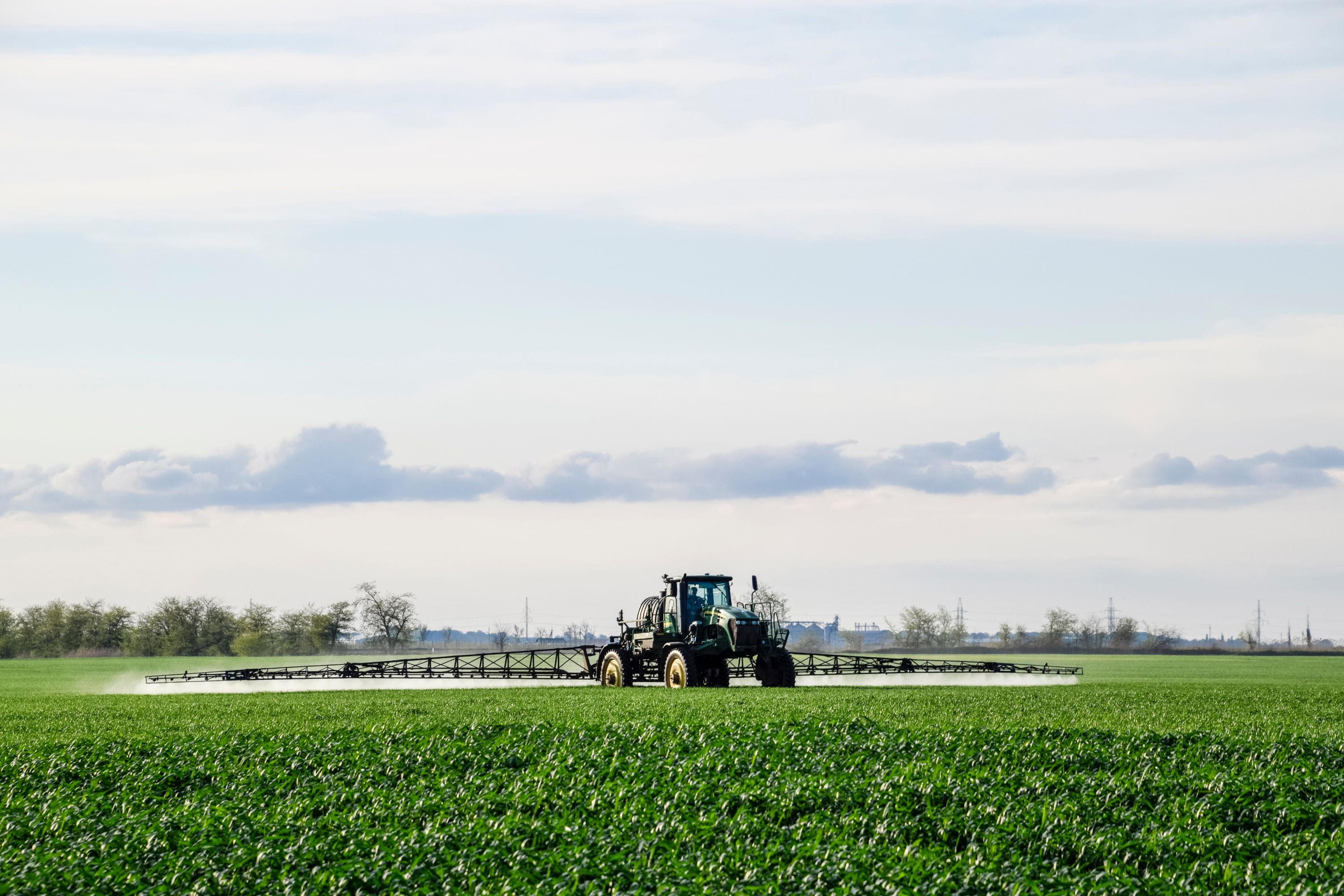
Fertilizing your lawn provides essential nutrients that grass needs to thrive. A well-fertilized lawn is not only greener and lusher but also better equipped to resist disease, insects, and other stressors. Consider using a slow-release fertilizer that supplies nutrients gradually over time.
The timing and frequency of fertilization depend on your grass type and climate. Generally, lawns benefit from fertilization in early spring and fall. Be sure to follow the instructions on your chosen fertilizer product for the best results.
Aeration for Better Soil Health
Aeration involves perforating the soil with small holes to allow air, water, and nutrients to penetrate the grassroots. This process is vital for relieving soil compaction, which can restrict root growth and make it difficult for grass to access the resources it needs.
Aerate your lawn once a year, ideally in the fall when the grass can recover quickly. Using a core aerator will remove small plugs of soil, promoting better air exchange and improving overall soil health.
Dealing with Weeds
Weeds compete with grass for nutrients, light, and water. Keeping them in check is crucial for maintaining a healthy lawn. Start by identifying the types of weeds you have, as this will help you choose the most effective treatment method.
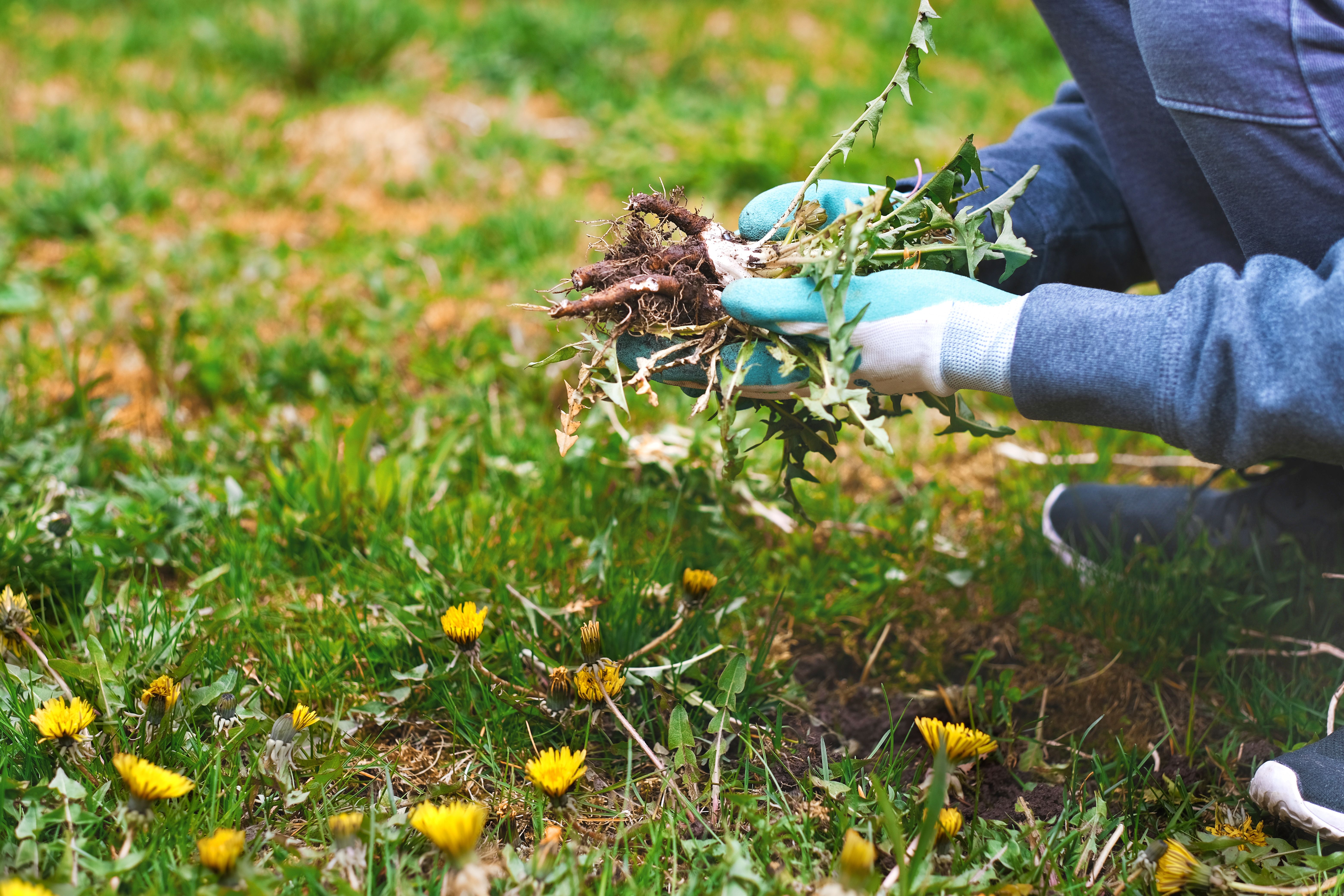
Regular mowing, proper fertilization, and maintaining a thick lawn can naturally suppress weed growth. For stubborn weeds, consider spot treatments with an appropriate herbicide. Remember to follow product instructions carefully to avoid damaging your lawn.
Pest Control Practices
Pests can cause significant damage to your lawn if not managed properly. Common lawn pests include grubs, chinch bugs, and armyworms. Regular inspection of your yard will help you spot signs of pest activity early.
Implement integrated pest management (IPM) practices that combine cultural, mechanical, biological, and chemical methods to control pests effectively. Encouraging natural predators like birds can also help keep pest populations in check.