Top Lawn Care Tips for a Lush Green Yard


Understanding Your Grass Type
One of the first steps to achieving a lush green lawn is knowing your grass type. Different species of grass thrive under varying climatic conditions and soil types. Understanding whether you have cool-season or warm-season grass will guide your lawn care decisions, from watering to fertilization.
Cool-season grasses like fescue and ryegrass grow best in cooler climates, while warm-season grasses such as Bermuda and Zoysia are more suited to hotter regions. Tailoring your lawn care practices to your specific grass type can significantly improve the health and appearance of your yard.

Watering Wisely
Proper watering is vital for maintaining a vibrant lawn. It's essential to water deeply but infrequently to encourage deep root growth. Aim to water your lawn once or twice a week, depending on the weather conditions and grass type. Early morning is the best time to water, as it allows time for the moisture to soak into the soil before the sun evaporates it.
Avoid overwatering, as it can lead to shallow roots and increase the risk of diseases. Consider installing a rain gauge or a smart sprinkler system to ensure you're providing just the right amount of water for your lawn's needs.
Feeding Your Lawn
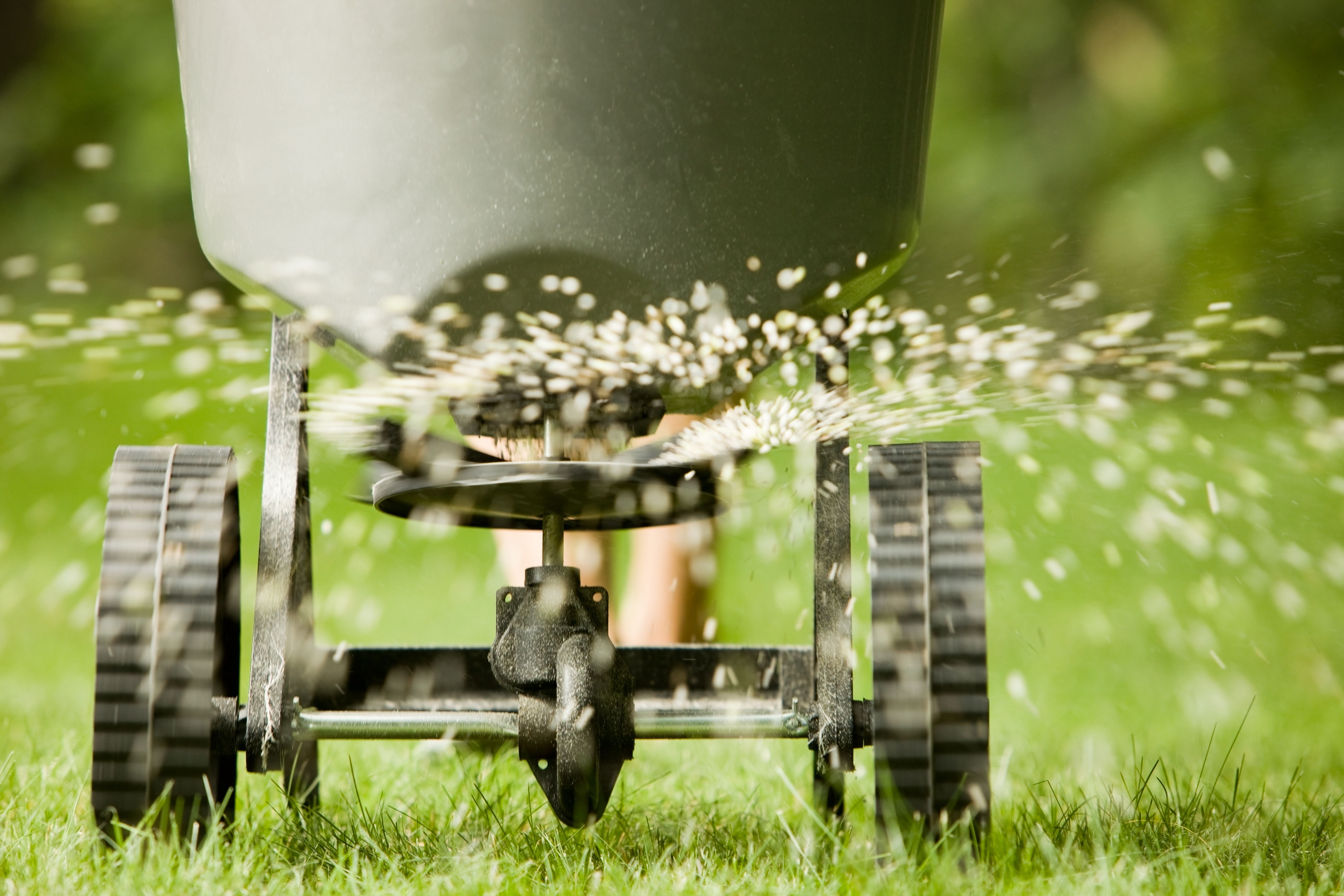
Fertilizing your lawn is crucial for supplying essential nutrients that promote healthy growth. Choose a fertilizer that suits your grass type and the season. For instance, use a high-nitrogen fertilizer in spring to boost growth and a low-nitrogen, high-potassium fertilizer in fall to prepare your lawn for winter.
Applying fertilizer at the right time and in the correct amount can make all the difference. Be sure to follow the instructions on the fertilizer package, and consider using an organic option for a more environmentally friendly approach.
Mowing Techniques
Mowing might seem straightforward, but there are techniques that can enhance your lawn's health. Set your mower blade at the correct height for your grass type; cutting too short can stress the grass and make it susceptible to weeds and diseases. Generally, a mowing height of 2.5 to 3 inches is ideal for most grass types.
Additionally, keep your mower blades sharp to ensure clean cuts, which help the grass heal faster and prevent disease. Mow regularly but never remove more than one-third of the grass height at a time to avoid damaging your lawn.
Aeration and Overseeding
Aeration helps alleviate soil compaction, allowing air, water, and nutrients to penetrate the grassroots. It also encourages deeper root growth for a more resilient lawn. Aerate your lawn once a year, preferably in fall or spring, using a core aerator for best results.
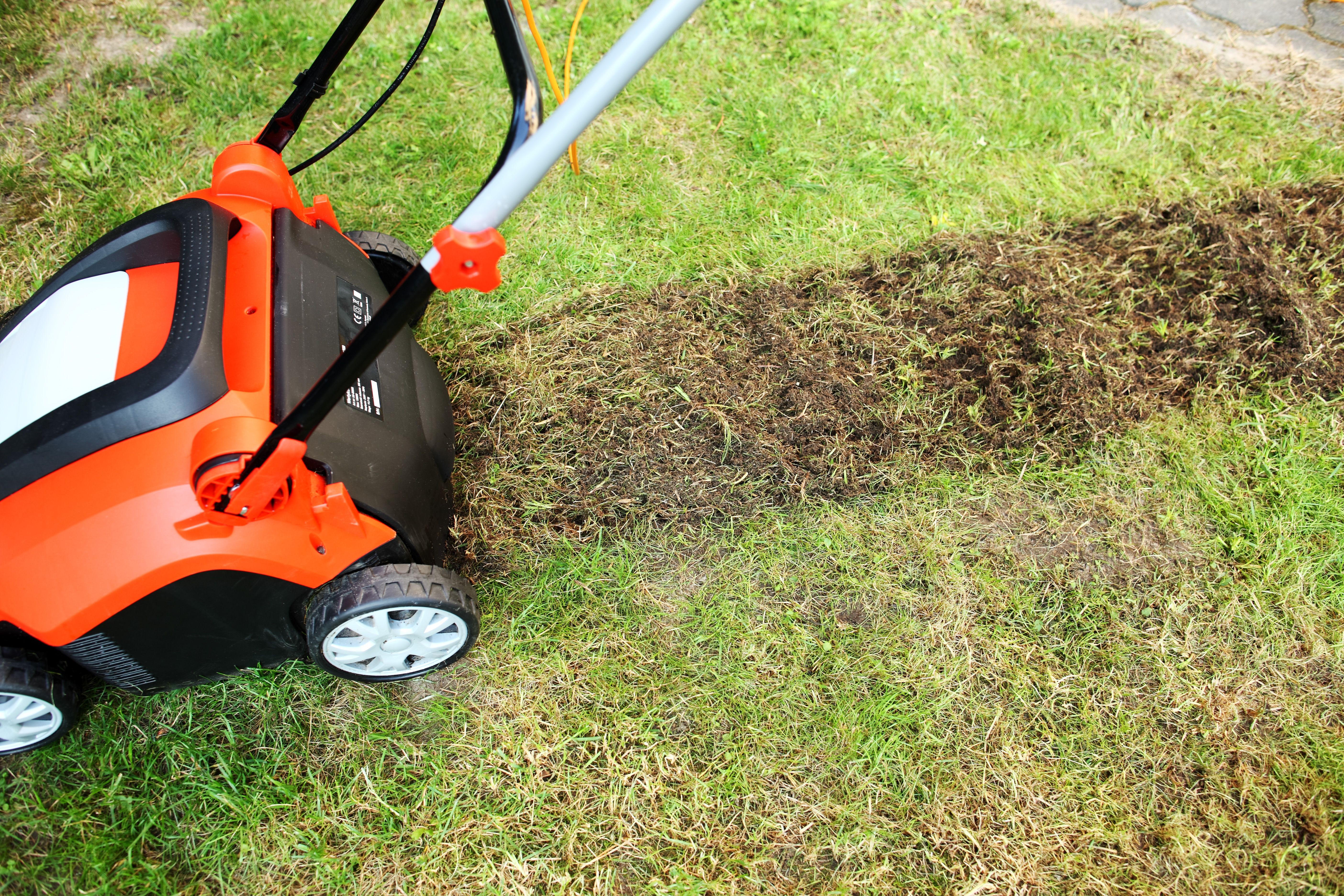
Overseeding involves spreading grass seed over an existing lawn to fill in bare spots and thicken up thin areas. This process helps enhance the overall appearance and health of your yard. Choose a seed mix compatible with your existing grass type and overseed after aeration for optimal results.
Pest and Weed Management
Pests and weeds can quickly ruin a beautiful lawn if not managed properly. Implementing an integrated pest management plan can help keep these issues under control. Regularly inspect your lawn for signs of pests or diseases and use targeted treatments as needed.
For weeds, consider using pre-emergent herbicides in early spring to prevent them from taking hold. Hand-pulling or spot-treating with post-emergent herbicides can be effective for small infestations. Maintaining a healthy lawn through proper care practices is often the best defense against pests and weeds.

Regular Maintenance
Consistency is key when it comes to maintaining a lush green lawn. Regular maintenance tasks such as mowing, watering, fertilizing, and aerating should be part of your routine. Keeping up with these tasks will not only improve the appearance of your lawn but also contribute to its long-term health.
By following these top lawn care tips, you'll be well on your way to enjoying a vibrant, lush green yard that enhances the beauty of your home. Remember, patience and consistency are essential in achieving and maintaining a healthy lawn.