Top Pressure Washing Techniques to Revitalize Your Driveway


Understanding the Importance of Pressure Washing
Keeping your driveway clean not only enhances your home's curb appeal but also prolongs the life of the surface. Pressure washing is one of the most effective methods to remove dirt, grime, and stains. By using the right techniques, you can make your driveway look brand new.
The key to successful pressure washing is understanding the specific needs of your driveway's material. Whether it's concrete, asphalt, or pavers, each type requires a different approach.
Choosing the Right Equipment
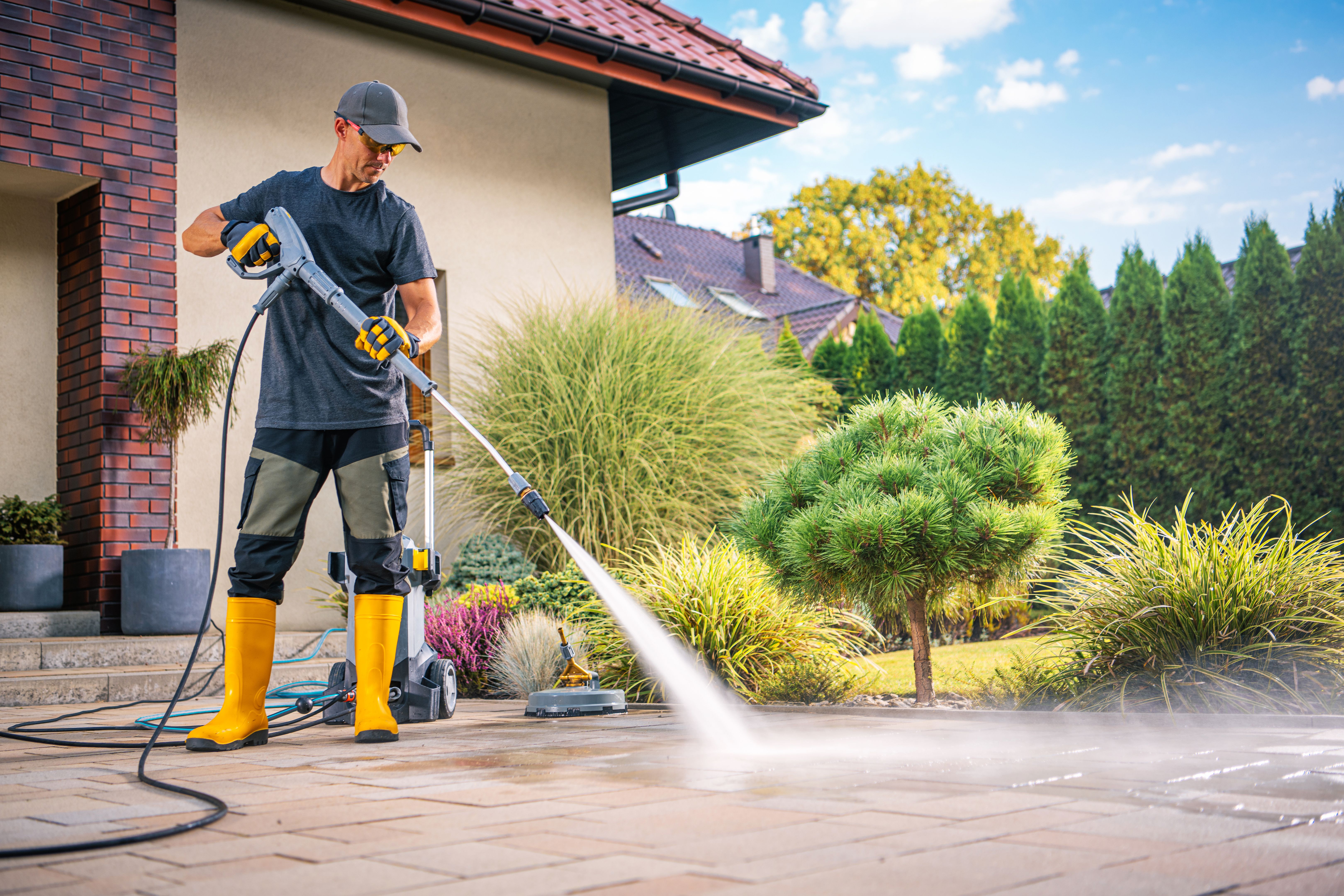
Investing in the right pressure washer is crucial. For residential use, a machine with 2000 to 3000 PSI is typically sufficient. However, for heavily stained surfaces, you might need a more powerful unit.
Additionally, selecting the correct nozzle is essential. A narrow-angle nozzle provides more pressure for tough stains, while a wider angle is better for general cleaning. Always start with a wider nozzle to avoid damaging the surface.
Pre-Cleaning Preparation
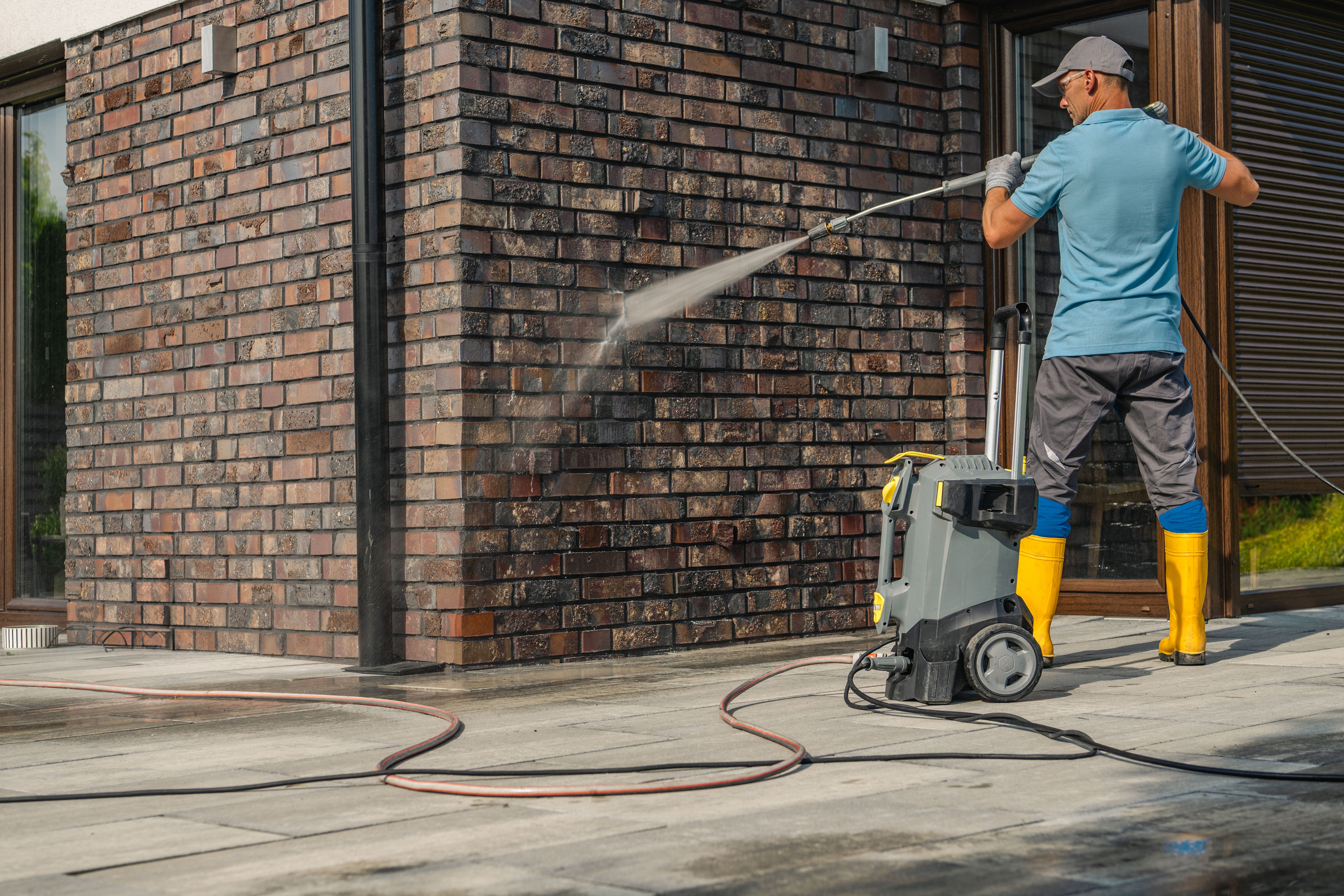
Before you begin, ensure that the driveway is free of any loose debris. Sweep away leaves, rocks, and other materials. This preparation step prevents potential damage to the surface and your equipment.
For stubborn stains like oil or grease, pre-treat the area with a degreaser. Allow it to sit for a few minutes to break down the stain before you start pressure washing.
Effective Pressure Washing Techniques
When pressure washing, maintain a consistent distance from the surface, typically around 12 to 18 inches. This helps prevent streaks and ensures an even clean. Move the nozzle in a steady, sweeping motion.
For concrete driveways, use a detergent specifically designed for pressure washers. Apply the detergent, let it sit for a few minutes, and then rinse thoroughly. Avoid letting the detergent dry on the surface.
Special Considerations for Pavers
Pavers require a gentler touch to avoid dislodging them. Use a low-pressure setting and avoid focusing the spray on the joints. After cleaning, consider re-sanding the joints to maintain stability.
Post-Cleaning Maintenance
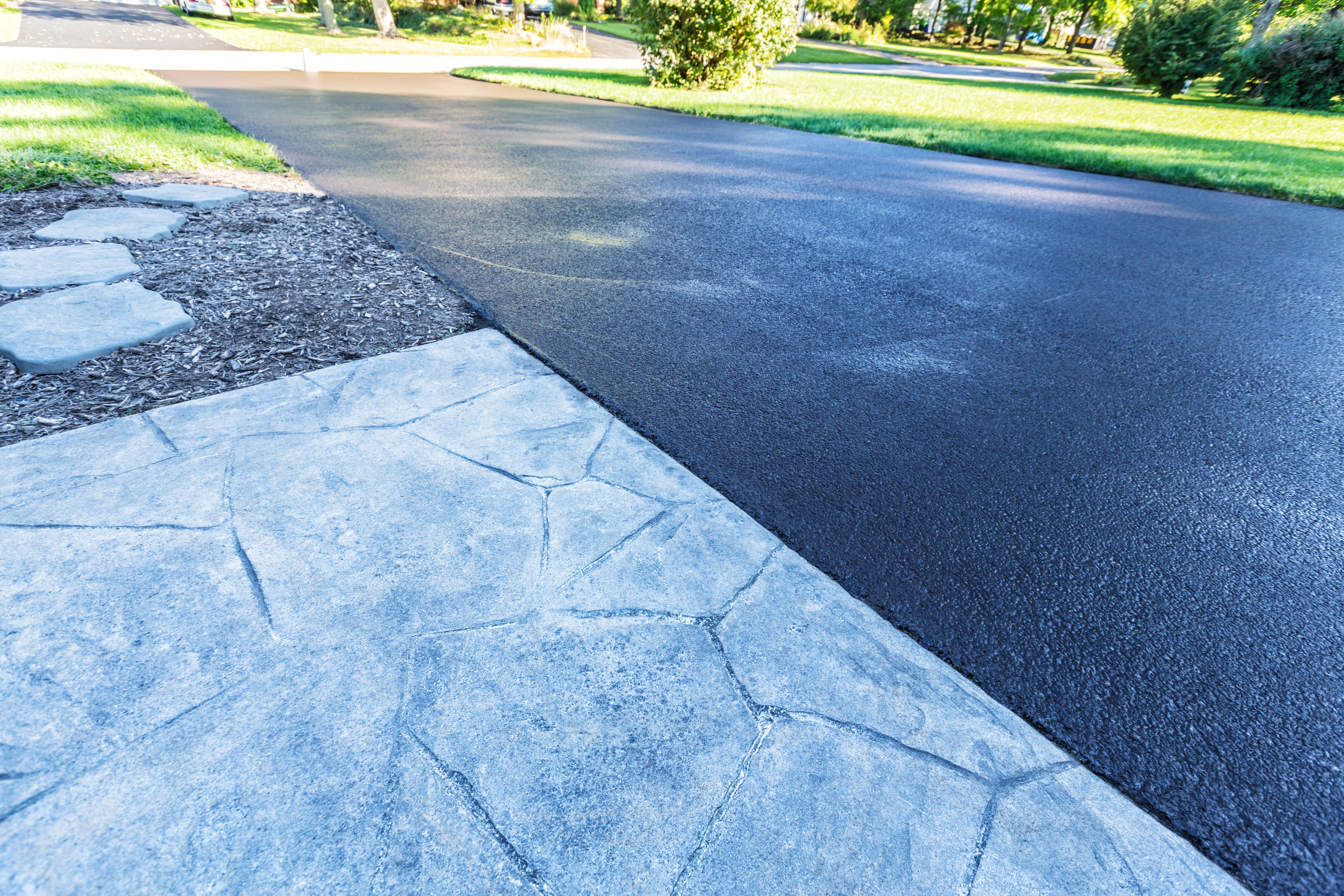
After pressure washing, allow your driveway to dry completely. For concrete and paver driveways, applying a sealant can provide protection against future stains and weather damage.
Regular maintenance is key. Schedule periodic cleanings to prevent the buildup of dirt and grime, keeping your driveway in top condition year-round.
Safety Tips for Pressure Washing
Always wear protective gear, including gloves and safety goggles. Be mindful of electrical outlets and cords, ensuring they are kept dry during the process.
Remember, pressure washers are powerful tools. Avoid directing the spray at people, animals, or fragile objects to prevent injury or damage.