Understanding the Benefits of Eco-Friendly Lawn Care Solutions


The Rise of Eco-Friendly Lawn Care
With growing awareness about environmental issues, more homeowners are turning to eco-friendly lawn care solutions. These methods not only protect the environment but also enhance the health and appearance of your lawn. By choosing sustainable practices, you can contribute to a healthier planet while enjoying a vibrant outdoor space.

Reducing Chemical Use
Traditional lawn care often involves heavy use of chemical fertilizers and pesticides. These substances can seep into the soil and water systems, posing risks to wildlife and humans. Eco-friendly alternatives prioritize natural products and techniques, reducing the dependency on harmful chemicals. This shift not only benefits the ecosystem but also promotes healthier grass growth.
Consider using organic fertilizers, which release nutrients slowly and improve soil health. Additionally, integrated pest management helps control pests by encouraging natural predators, reducing the need for chemical interventions.
Water Conservation Techniques
Water is a precious resource, and conserving it is crucial in maintaining a sustainable lawn. Eco-friendly lawn care focuses on efficient watering techniques that minimize waste. Drip irrigation systems, for instance, deliver water directly to the roots, reducing evaporation and runoff.

Moreover, selecting drought-resistant grass varieties can significantly decrease water usage. These grasses thrive with less water, helping you maintain a lush lawn even during dry spells.
Benefits of Composting
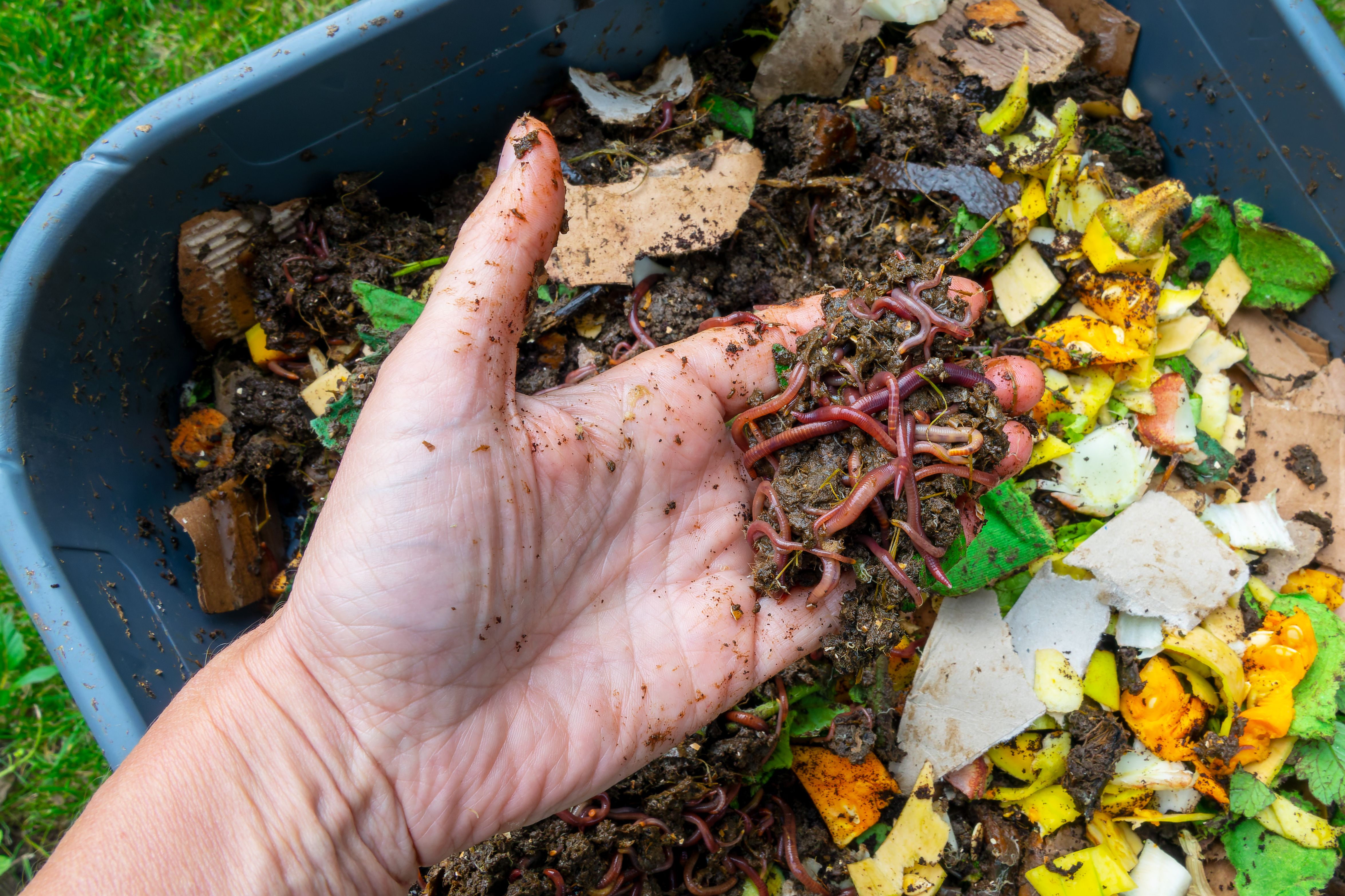
Composting is an excellent way to recycle organic waste and enrich your lawn. By turning kitchen scraps and yard waste into nutrient-rich compost, you create a natural fertilizer that promotes soil health and plant growth. Composting reduces landfill waste and lowers your carbon footprint as well.
Incorporating compost into your lawn care routine can improve soil structure, enhance moisture retention, and increase microbial activity, resulting in a vibrant and resilient lawn.
Native Plants and Biodiversity
Integrating native plants into your lawn design is another effective eco-friendly strategy. Native plants are adapted to local climates and soil conditions, requiring less water and maintenance. They also support local biodiversity by providing habitats and food sources for native wildlife.
Creating a diverse lawn with various plant species can enhance ecological balance and reduce pest issues, making your lawn more sustainable and enjoyable.
Economic and Aesthetic Advantages
Beyond environmental benefits, eco-friendly lawn care can be economically advantageous. Reducing reliance on chemical products and excessive watering lowers costs. Additionally, a well-maintained, eco-friendly lawn can enhance your property's curb appeal and value.

Investing in sustainable lawn care solutions not only supports the environment but also creates a beautiful, healthy space for you and your family to enjoy. Embracing these practices is a step towards a greener future, benefiting both your home and the planet.