Understanding the Impact of Mulching on Soil Health


Introduction to Mulching
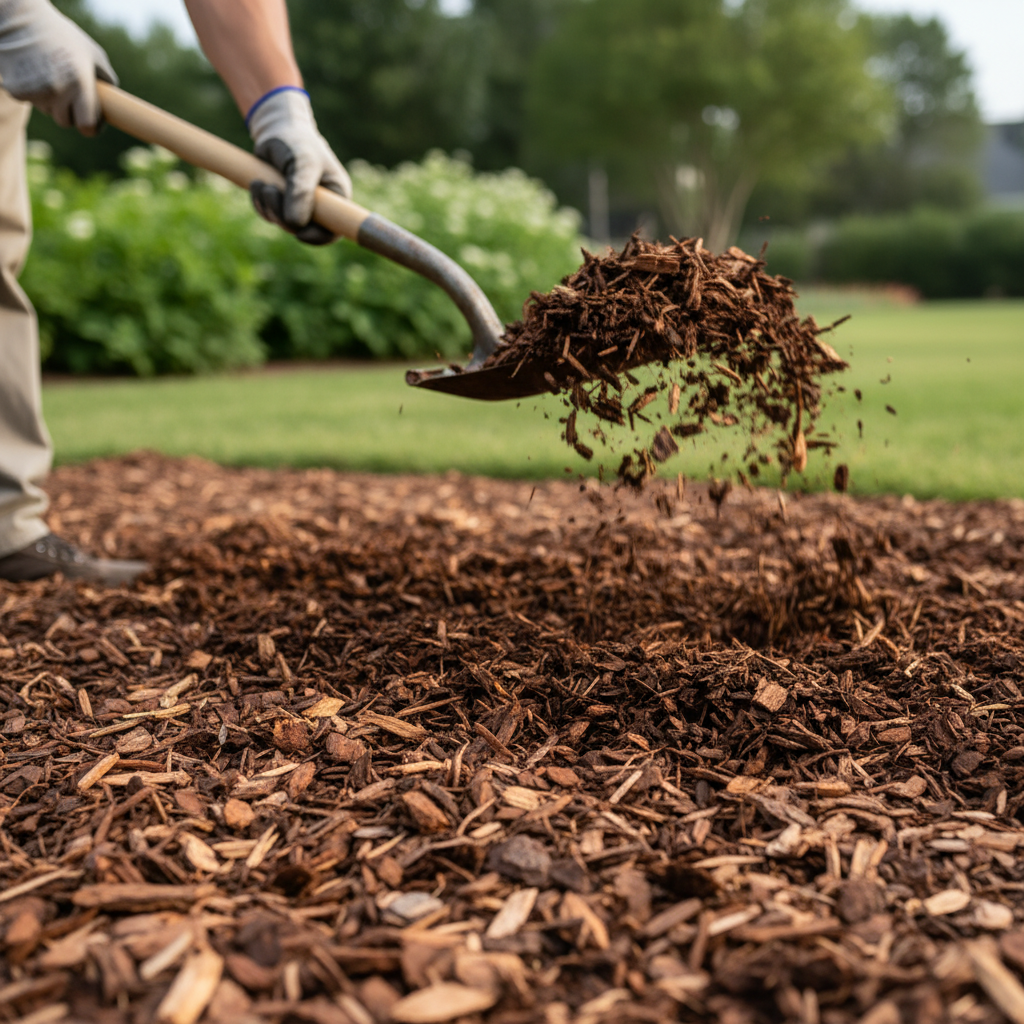
Mulching is a horticultural practice that involves placing a protective layer of material on the surface of the soil. This simple yet effective technique can significantly improve soil health when done correctly. Understanding the impact of mulching on soil health is crucial for gardeners, landscapers, and farmers aiming to optimize their soil's productivity.
Mulching materials can vary widely, including organic options like straw, wood chips, and compost, as well as inorganic materials like plastic sheeting. Each type has its benefits and drawbacks, influencing soil health in different ways.
Benefits of Mulching
Moisture Retention
One of the primary benefits of mulching is its ability to retain moisture in the soil. By covering the soil surface, mulch reduces evaporation, helping to keep the soil moist for longer periods. This is especially beneficial during dry spells, reducing the need for frequent watering.
Weed Suppression
Mulching also plays a crucial role in suppressing weeds. By blocking sunlight from reaching the soil surface, it prevents weed seeds from germinating and growing. This not only reduces competition for resources but also minimizes the need for chemical weed control methods.

Soil Temperature Regulation
Another important aspect of mulching is its ability to regulate soil temperature. During hot weather, mulch keeps the soil cooler, while in colder conditions, it helps retain warmth. This temperature moderation creates a more stable environment for plant roots and beneficial soil organisms.
Impact on Soil Structure
Mulching contributes positively to soil structure. As organic mulches decompose, they add essential organic matter to the soil, improving its texture and fertility. This process enhances soil aeration and water infiltration, promoting healthier plant growth.
Microbial Activity Enhancement
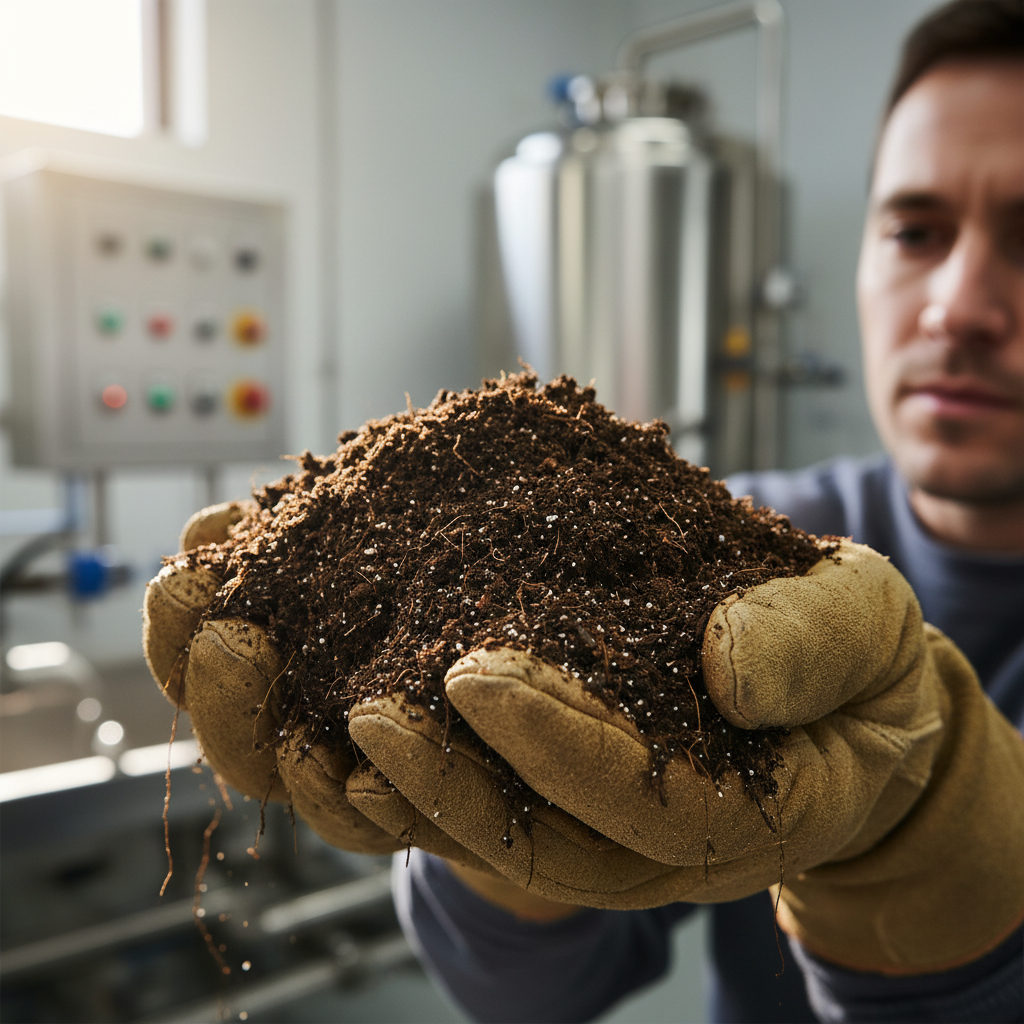
The decomposition of organic mulch fosters an environment rich in microbial activity. These microorganisms are vital for breaking down organic matter and releasing nutrients back into the soil. Increased microbial activity leads to more nutrient-rich soil, which can support robust plant growth.
Erosion Prevention
Mulch acts as a protective barrier against soil erosion. By covering the soil, it reduces the impact of rain and wind, which can otherwise displace topsoil. This preservation of topsoil is crucial for maintaining soil fertility and preventing nutrient loss.
Choosing the Right Mulch
Selecting the appropriate mulch is essential for maximizing its benefits. Consider factors such as climate, plant type, and specific soil needs when choosing a mulch. Organic mulches are generally more beneficial for improving soil health, while inorganic options may be better suited for specific landscaping purposes.
Understanding the impact of mulching on soil health can transform your gardening or farming practices. By enhancing moisture retention, regulating temperature, and improving soil structure, mulching offers a sustainable solution for healthier soils and thriving plants.